| gm Bankless Nation,
Amid declining metrics and a Vitalik vibe shift, Ethereum L2s and Alt-EVM L1s are being pushed to shape up or ship out. Today's Issue ⬇️ - ☀️ Need to Know: Zuck's Stablecoin Dream
Meta is ready to give Diem another try. - 🗣️ Analysis: The ETH L2 Squeeze
Can L2s make it work?
p.s. Thanks to Figure. Explore Democratized Prime while earning ~9% APY or take out a Crypto Backed Loan at 8.91% interest rates with 12 month terms! Sponsor: Ready (formerly Argent) — Going bankless is easy when you’ve got Ready.
. . . NEED TO KNOW Zuckerberg's Stablecoin Dream - ⏱️ Zuckerberg's Meta Seeks Partners for Stablecoin Revival. Meta is reportedly reviving its stablecoin ambitions and targeting a launch in the second half of 2026.
- 👯♀️ The Ethereum Foundation Just Doubled Down on DeFi. The EF has formalized its DeFi strategy for the first time ever.
- 🐙 Kraken Exchange Launches 24/7 Perpetuals for U.S. Stocks. The move will pit Kraken directly against onchain leverage venues, like Hyperliquid, in the competition for equity degens.
📸 Daily Market Snapshot: BTC dropped below $63K Tuesday, now sitting 50% below its October ATH. Meanwhile, ETH is battling with the $1,800 barrier and is nearly 65% below its August ATH. | Prices as of 5pm ET | 24hr | 7d |  | Crypto $2.22T | ↘ 0.8% | ↘ 5.8% |  | BTC $64,131 | ↘ 1.2% | ↘ 5.3% |  | ETH $1,857 | ↘ 0.5% | ↘ 7.2% |
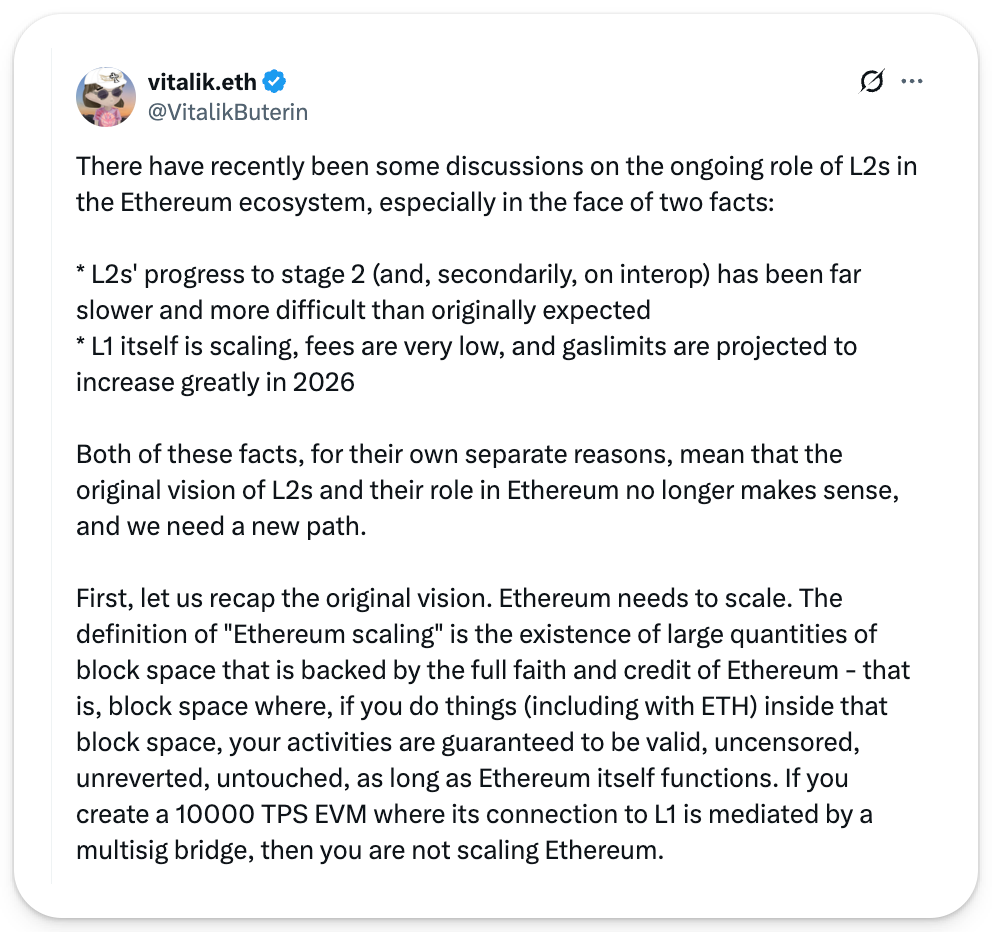
. . . ANALYSIS The Ethereum L2 Squeeze Last month, Vitalik sparked a fervent debate by dropping a blog post detailing that "the original vision of L2s and their role in Ethereum no longer makes sense.” Days later, he sharpened the message: "If you make an EVM chain without an optimistic bridge to Ethereum (aka an alt L1), that's even worse. We don't friggin need more copypasta EVM chains, and we definitely don't need even more L1s. L1 is scaling and is going to bring lots of EVM blockspace."
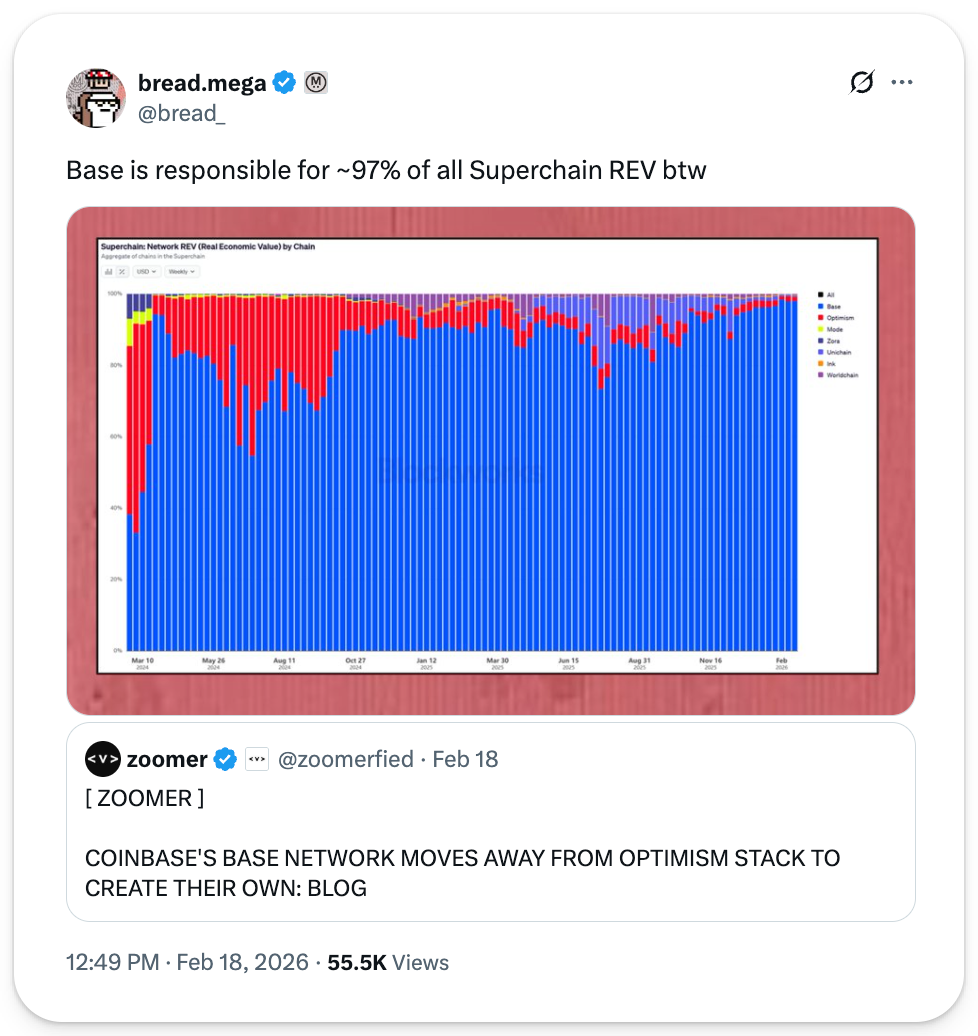
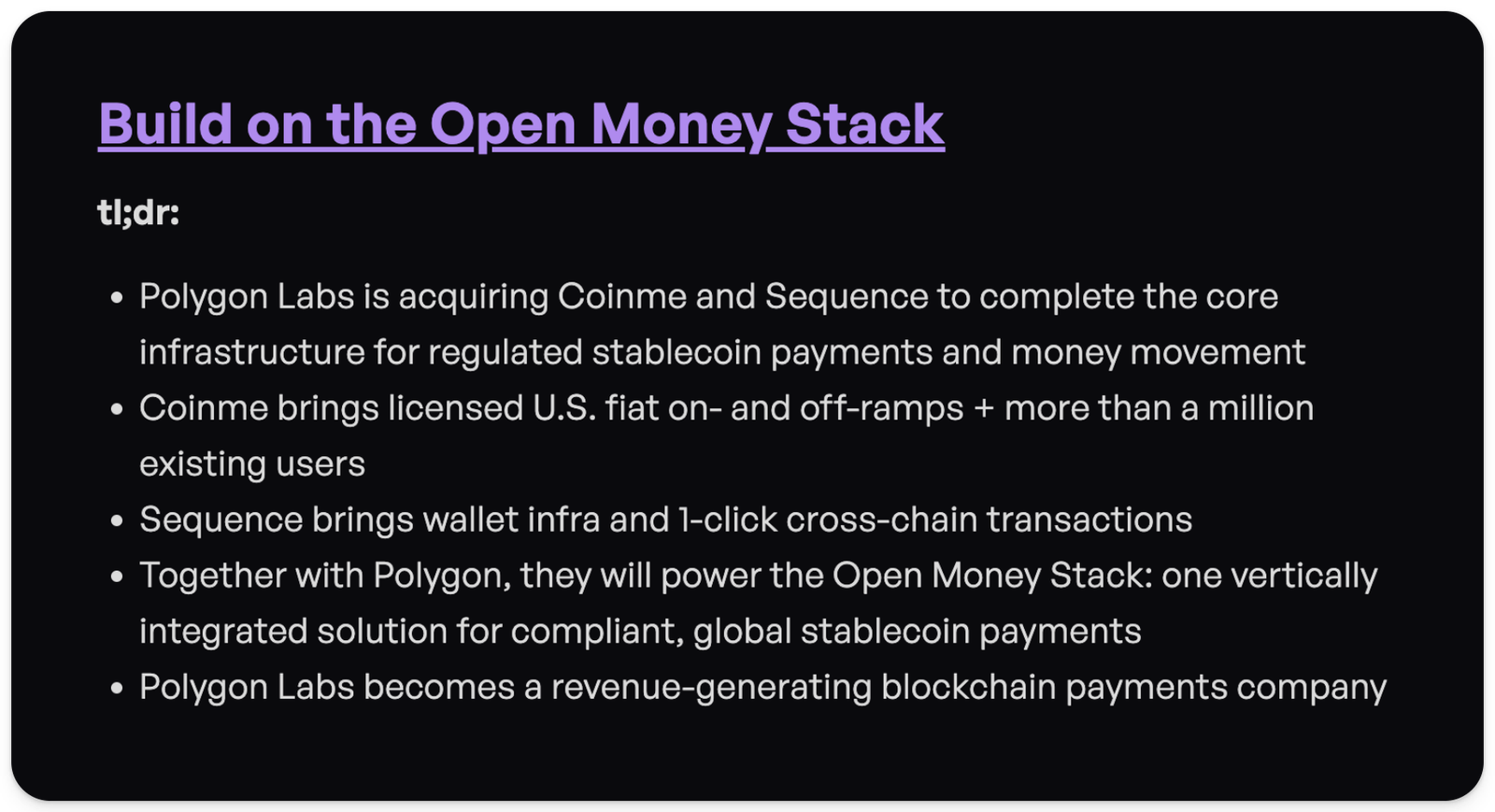
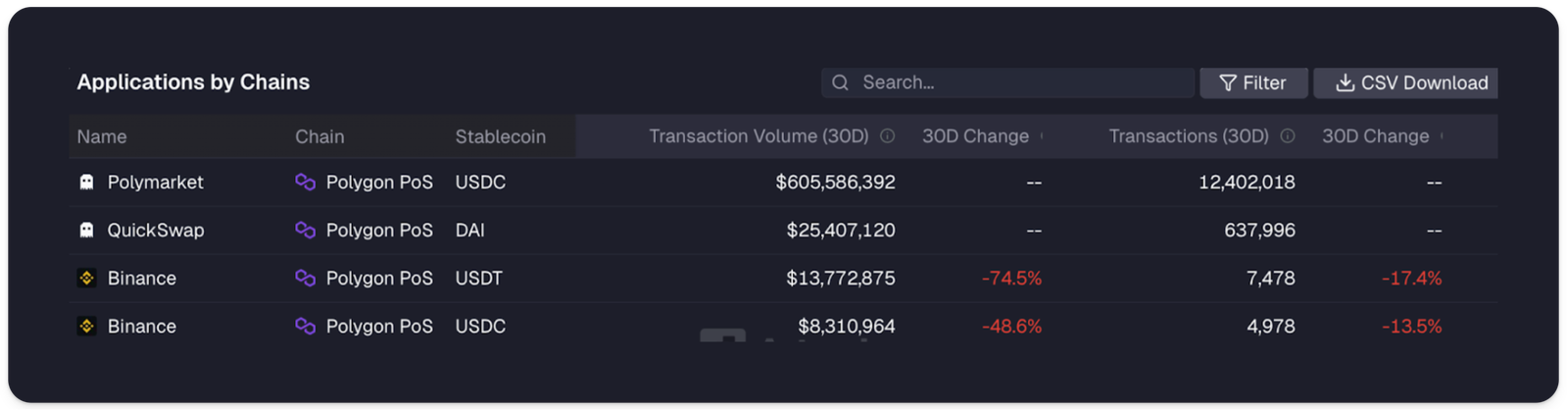
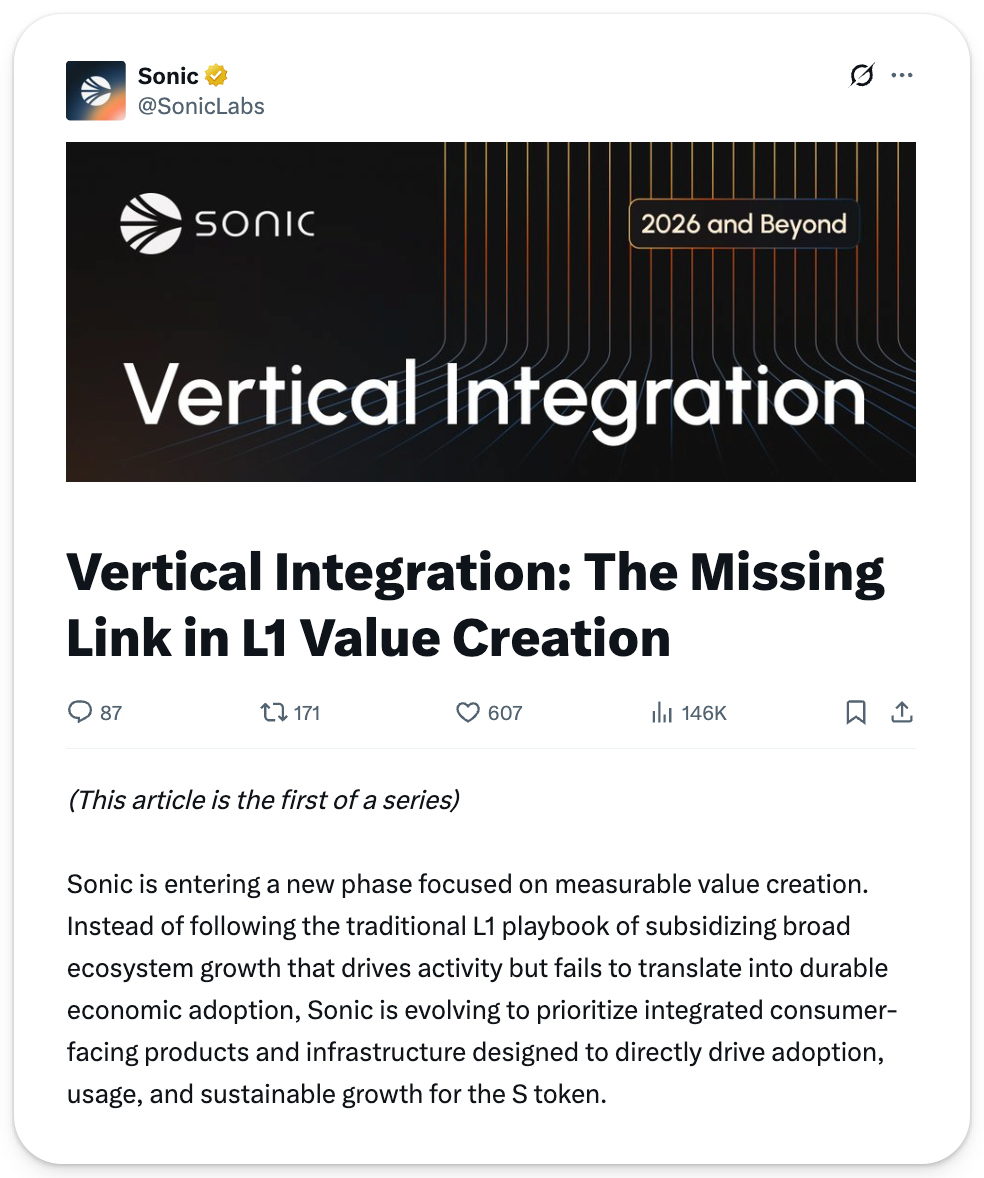
The directive applies to the entire EVM landscape: L2s and Alt-EVM L1s alike. As the L1 scales, it becomes cheaper, more capable, and remains the most decentralized execution environment available. In other words, Mainnet is becoming the blockchain that L2s aspired to become, without any of the complexities and issues that arise from their designs. Such an explicit statement shifted the landscape and will force L2s and Alt-EVM L1s to differentiate or get squeezed out. The SqueezeWe don’t need to look far to see that the pressure’s already been felt for some time. L2 and Alt-EVM L1 tokens have been brutalized over the past year, with many down 80-90% from their highs. Adoption outside of a handful of winners has slowed, with most L2s seeing usage plateau or decline once airdrops ended. Last week brought the starkest example yet: Base announced it's leaving Optimism's Superchain, taking 97% of the collective's real economic value with it. The rationale: ship faster, reduce dependencies, and keep fees in-house. But beyond recalibration pressures, L2s and Alt-EVM L1s are being squeezed by revenue pressures as our industry matures. Blockspace is no longer scarce. There are simply too many chains competing for users, turning what was once a differentiator into a commodity. Meanwhile, revenue-generating chains like Hyperliquid are setting a new standard, holding up better during market downturns and proving that sustainable economics matter more than narrative. The "gas fee only" model is breaking down, and thus chains must find a niche that justifies their existence off Mainnet and generates the revenue to sustain themselves. How Chains Are RespondingWhile Vitalik's post served as a messaging wake-up call, months of rough metrics had already led plenty of EVM L1s and Ethereum L2s to seek deeper differentiation. I've been particularly interested in the paths taken by Polygon and Sonic over the past few months. Polygon: The Payments StackEven before Vitalik's post, Polygon was pivoting to become what they now explicitly call a "revenue-generating blockchain company." In January, Polygon Labs announced $250M in acquisitions, acquiring Coinme (crypto payments firm with money transmitter licenses) and Sequence (wallet infrastructure), to anchor its forthcoming "Open Money Stack," a framework for regulated stablecoin payments launching later this year. It's a pretty straightforward play given stablecoins are the crypto use case getting the most real-world adoption globally, with USDC in Polygon's breakout app, Polymarket, driving a significant portion of the chain's activity. In fact, stablecoin transactions on Polygon outpace all other L2s as of late, gaining speed from these acquisitions, ever-increasing prediction market popularity, and the Rio upgrade in October 2025, which overhauled the chain's architecture for payment-specific performance. They haven't explicitly tied this pivot to POL token value accrual yet, but the strategic direction is clear. Sonic: Vertical IntegrationAlt-EVM L1 Sonic is taking a different approach to the same problem. In their early February post titled "Vertical Integration: The Missing Link in L1 Value Creation," Sonic announced it's abandoning the "gas fee only" model entirely. With blockspace no longer a scarce resource, gas fees are no longer enough to sustain a chain (Hyperliquid once again remains the exception to the rule here), even for those that host category-defining applications like Polygon. Sonic's solution is to build and (likely) acquire core DeFi products – trading infrastructure, lending, liquidity provision, stablecoins, staking – to operate in-house so revenue flows directly back to the S token, rather than to external apps. Base serves as a cautionary tale here, highlighting the dangers of relying on external parties to generate your chain's value. Unlike Polygon's aforementioned pivot, Sonic's announcement explicitly addresses how this refocus will lead to token value: i.e. "wen buybacks?" The answer is tied to revenue streams building first, as it should be. Buybacks, Sonic states, will only be funded by and come when real protocol revenue develops from these integrated solutions. The sequencing matters, because doing it the other way leaves you exposed. Optimism announced last month they'd allocate 50% of the Superchain’s revenue to token buybacks, and then their primary revenue-generating vehicle left. They've truly backed themselves into a corner. What Comes NextIn response to uproar over his "Ethereum over-indexing on L2s" post, Vitalik followed up by reiterating that plenty of existing L2s and EVM chains build features that bring something new to the table... Privacy (hello, Aztec). App-specific efficiency. Ultra-low latency. His list, he notes, is "surely very incomplete." Given that top-down order, expect chains to respond in a few ways. Some Alt-L1s may follow Celo's path from last cycle and convert into rollups, trading sovereignty for tighter Ethereum alignment. Well-capitalized chains will likely pursue acquisitions to accelerate their pivots, as Polygon has done and Sonic suggests it will do. And more chains will verticalize, picking a specific category and building the infrastructure to own it. We'll likely see talk of buybacks too, but hopefully as a secondary priority as with Sonic. Chains announcing buybacks before they've made those adjustments will be putting the cart before the horse, and the market will punish them if they don't have the revenue to support it. Overall, the era of "we do everything" L2s is ending. What replaces it looks more like Polygon's payments focus or Sonic's vertical integration: chains that identify their category, build revenue around it, and earn the right to reward holders. It's a step in the right direction, but will certainly cause some pain. FRIEND & SPONSOR: READY (FORMERLY ARGENT) Ready makes going bankless simple. Pay with USDC worldwide with zero FX fees and earn up to 3% cashback. Start spending instantly with a virtual card and choose between a free or paid plan. Keep control of your assets. Bankless readers get 20% off Metal with code BANKLESS20 | 






No comments:
Post a Comment