| gm Bankless Nation,
In a race to differentiate, Ethereum L2s are betting on privacy feature sets. Today's Issue ⬇️ - ☀️ Need to Know: Kalshi's Big Money
The sports betting prediction giant raises at $22B. - 🗣️ Analysis: Starknet's Privacy Bet
Meet STRK20, a framework making ERC-20s private by default.
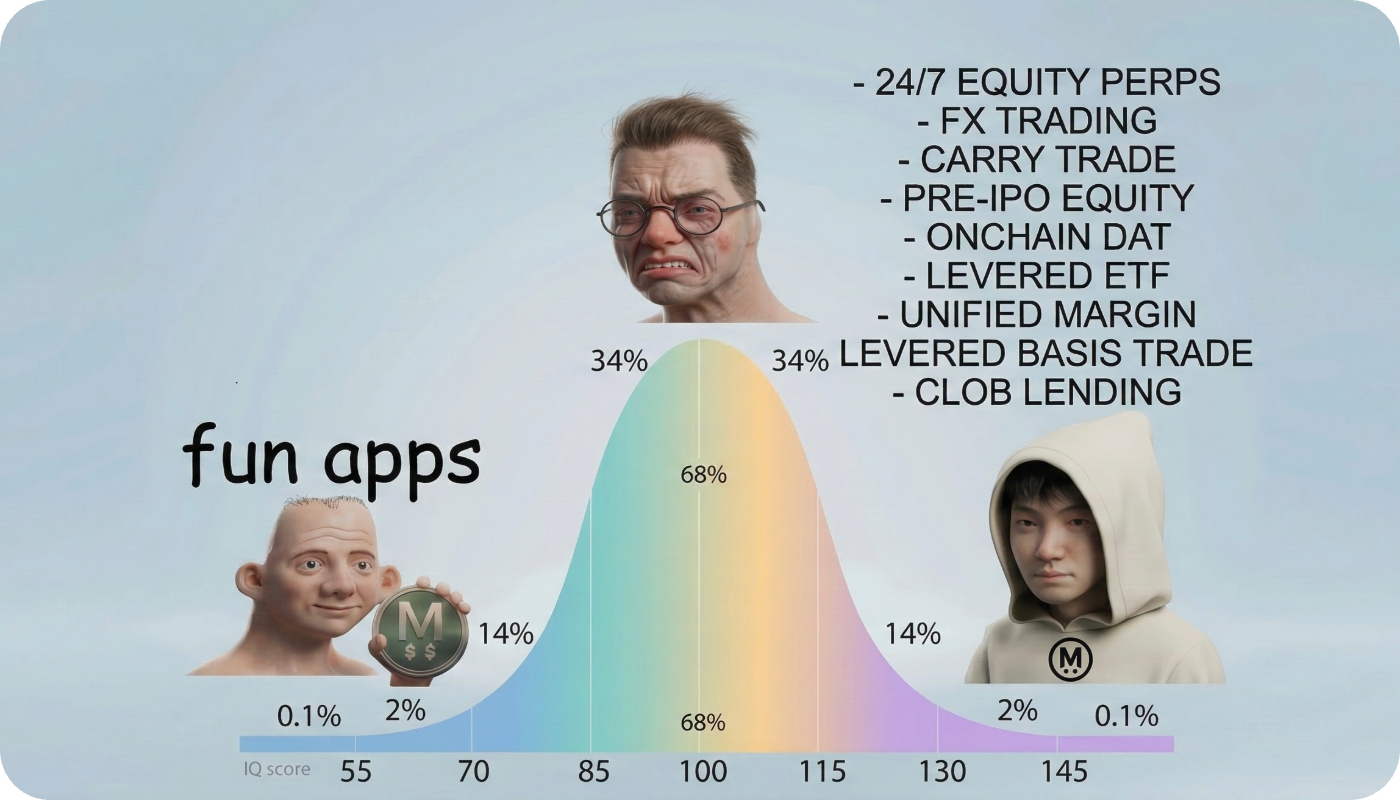
Sponsor: MegaETH — Crypto has new apps, finally.
. . . NEED TO KNOW Kalshi Loads Up - 💰 Kalshi Raises $1B at $22B Valuation in New Funding Round: WSJ. Prediction market platform Kalshi has secured over $1 billion in its latest funding round, led by Coatue Management.
- ‼️ Super Micro Executives Indicted for Smuggling AI Chips to China. U.S. Attorney Jay Clayton has filed criminal charges against SMCI associates for illegally diverting billions of dollars in servers to China.
- 🦋 Bluesky Decentralized Social Platform Discloses Past $100M Series B Raise. The raise was completed in April 2025, but is being disclosed now as the company gets a new CEO.
📸 Daily Market Snapshot: Markets got pummeled this week as Trump's Iran War got far less popular with Wall Street. Crypto prices, which have whiplashed all week, held steady Friday by comparison. | Prices as of 2pm ET | 24hr | 7d |  | Crypto $2.40T | ↗ 0.3% | ↘ 1.3% |  | BTC $69,817 | ↗ 0.1% | ↘ 1.6% |  | ETH $2,127 | ↗ 0.2% | ↗ 1.5% |
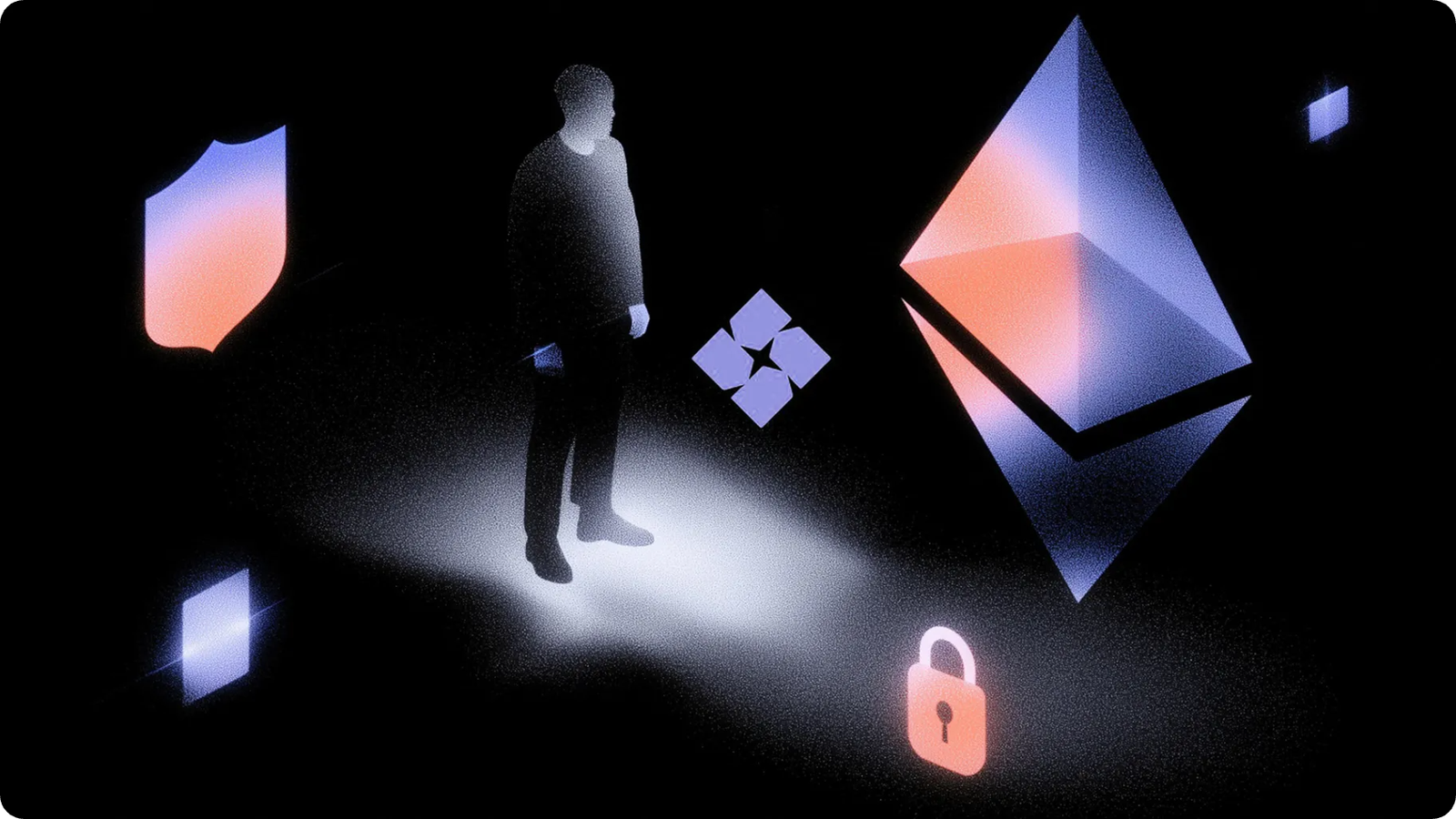
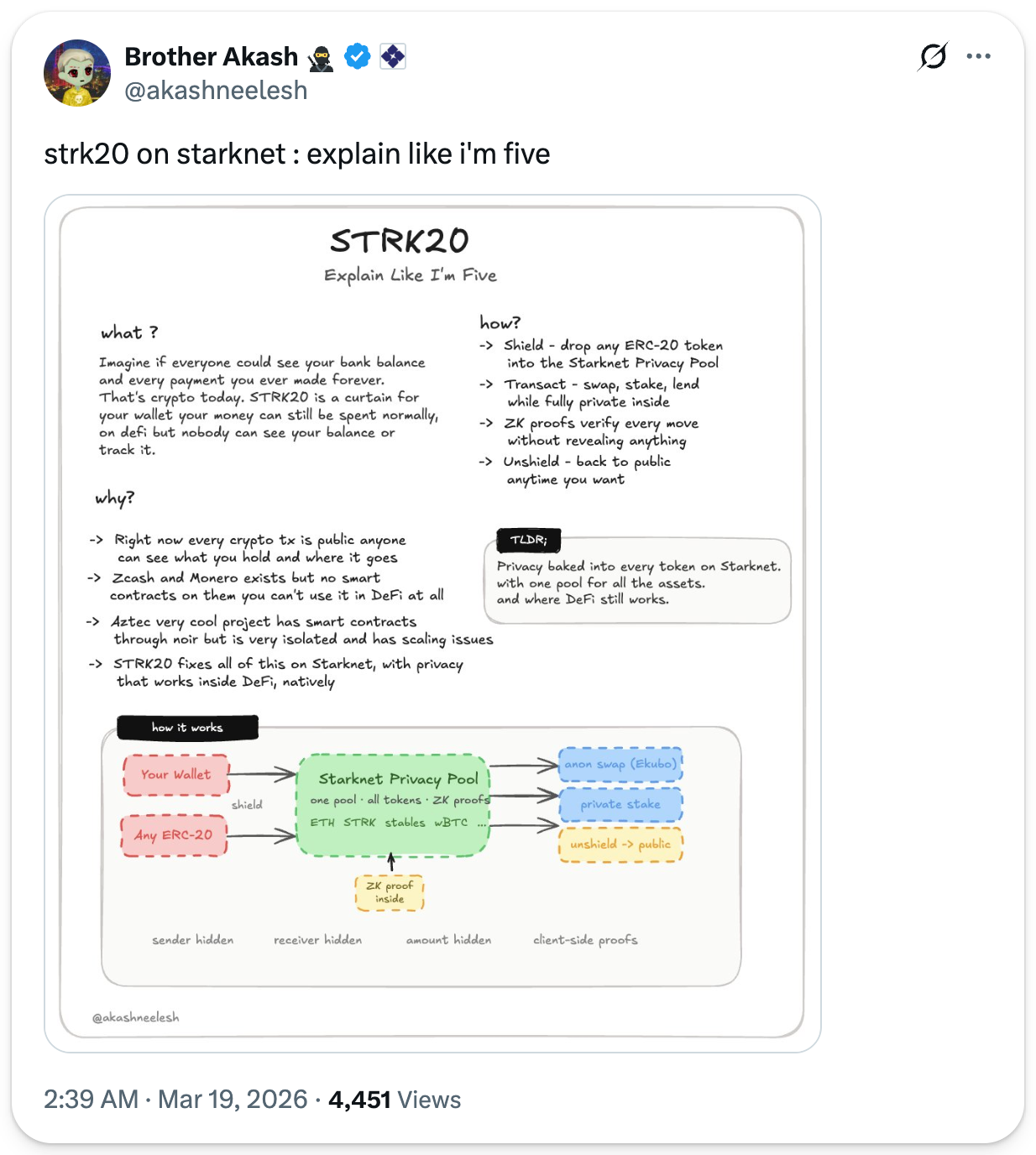
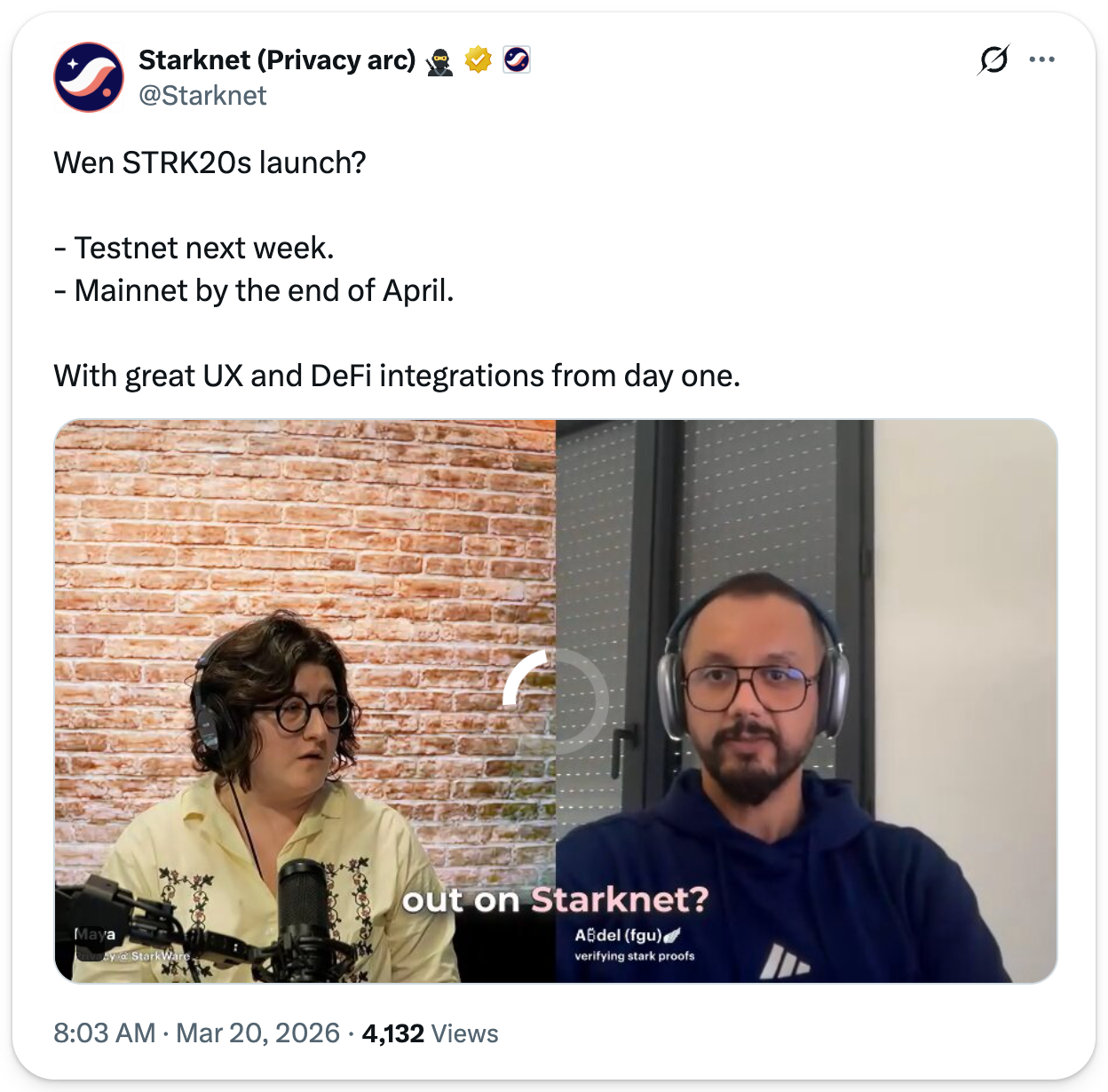
. . . ANALYSIS Starknet Goes All-In on Privacy Last month I wrote about how the L2 landscape is tightening fast as Ethereum refocuses on the L1, meaning L2s will need to distinguish themselves by offering something Ethereum itself can't or won't. Vitalik offered some ideas for these chains to consider, with privacy sitting at the top of his own list. Aztec has long been the name associated with that race, taking a diligent, lengthy path towards deploying a decentralized, privacy-first L2. It's a mission they've been driving towards since 2017 and they are finally nearing launch, though the exact timeline remains vague. Privacy has obviously become one of the most discussed use cases over the past year, with many teams throwing their hats in the ring along the way. There have been a few that have launched and deserve recognition, Payy Network, for example, but few stand on the same ground that Aztec's history gives it, except perhaps Starknet. StarkWare, the team behind Starknet, has been building since 2018. Founded by one of the co-founders of Zcash, the company made privacy a central priority over the past year, amidst a push to differentiate their chain that started long before last month’s excitement around Vitalik's “electrifying” L1/L2 statements. In recent weeks they've shared more details about initiatives to catalyze this focus, with the biggest coming from their release of the technical paper for STRK20: a framework for making any ERC-20 private by default. The framework turns on a single, official smart contract, the Privacy Pool, which will be deployed as core Starknet infrastructure. Big news as of today: Starknet shared that testnet goes live next week, with mainnet targeted for the end of April. The flagship of this launch will be strkBTC, a similarly privacy-preserving version of BTC. STRK20 is the broader play: a standard for shielded tokens that still behave like normal crypto: composable with DeFi, usable at scale, and built with regulatory compliance from day one. Let me walk you through how it works. One Pool, Any TokenAs mentioned, the Privacy Pool is a single contract that holds any ERC-20: Bitcoin wrappers, stablecoins, ETH, STRK, what have you. You deposit public tokens, they lock inside the pool, and you receive encrypted "notes" representing your claim. A note is simply a private record that says "this address owns X amount of Y token." The underlying assets never leave the vault. Ownership now exists only as private notes you can decrypt. Transfers of these notes follow a Bitcoin-style UTXO model. When you send, your current note is burned and marked as permanently spent. The system then mints new notes for the recipient, plus change if needed. Onchain this looks like a normal transaction. But who sent what, and how much, is completely opaque. The first time you send a note to someone, the transaction establishes a one-time shared secret called a channel. This solves the inefficiency of the network needing to essentially scan all notes to identify which are yours every time you send or use a note. Instead, every subsequent transfer reuses that channel. The recipient's wallet checks their address, decrypts with their viewing key, and instantly locates every note you've sent them. No global scanning required. Compliant Privacy, By DesignWhen you first interact with the Privacy Pool, your wallet completes a two-part setup: - It generates your viewing key pair: a private viewing key that only you control, used to decrypt all your notes and see your own transaction history, plus a public viewing key that anyone can use to encrypt messages to you.
- It registers an encrypted copy of your private viewing key, tied to your Starknet address. That copy is locked using the public key of a designated auditor.
This is the deliberate architectural choice Starknet made for compliance. The encrypted version lives separately from your notes; it's just metadata associated with your address. But, if a valid legal request ever targets a specific Starknet address, say if a regulator suspects that an address is laundering funds, the designated auditor can decrypt that user's private viewing key and trace their full history: every channel, every note, every amount. According to Starknet, only the targeted person's viewing key is decrypted in this process, not those of counterparties. The auditor won't be a single person who can decrypt unilaterally. Instead, it will likely be a council of multiple independent parties using threshold encryption. A quorum has to agree before anything happens. No one actor can act alone. The decision is split and auditable by design. DeFi ComposabilityAs I mentioned, private notes can do more than just be sent back and forth. They can work in Starknet DeFi. For example, an anonymous swap works like this: spend your private notes, the pool withdraws tokens to a helper contract, the swap executes on a public AMM, and the new tokens go straight back into a fresh note. All done in one transaction. Your identity stays hidden throughout. The same pattern applies to staking. From day one, STRK20 will support anonymous Ekubo (Starknet’s largest DEX) swaps and private staking. According to Starknet, private transactions will settle in under five seconds and cost less than $0.20. Pretty cool. What Comes NextTestnet launches next week. Mainnet end of April (fingers crossed). Yet, as L2 differentiation becomes existential, expect more technically adept teams like Starknet and Aztec to go the distance, or at least attempt to, on privacy. But this isn't an easy path. Enforcement against privacy developers continues to escalate, as evidenced by Jay Clayton’s push for Roman Storm to have a retrial. Anyone sitting on STRK20's compliance council will be stepping into a live enforcement environment, not a theoretical one. Likely this is a consideration being taken into account. Hopefully we can find a way to ensure participants, auditors in this case, can be protected enough to sign up and perform their duties, and thus enable this kind of compliant privacy. FRIEND & SPONSOR: MEGAETH We're past "in it for the tech" or "in it for the money." MegaETH is bringing you products worth using, powered by USDM. |




No comments:
Post a Comment