| gm Bankless Nation,
Crypto is fighting for turf in Washington; here are the think tanks and trade associations worth knowing. Today's Issue ⬇️ - ☀️ Need to Know: American Perps?
Perpetual futures contracts about to get D.C.'s approval? - 🗣️ Analysis: Mapping Crypto’s Lobbying Layer
The crypto groups with power in D.C.
Sponsor: Mercuryo — Infrastructure powering the crypto economy.
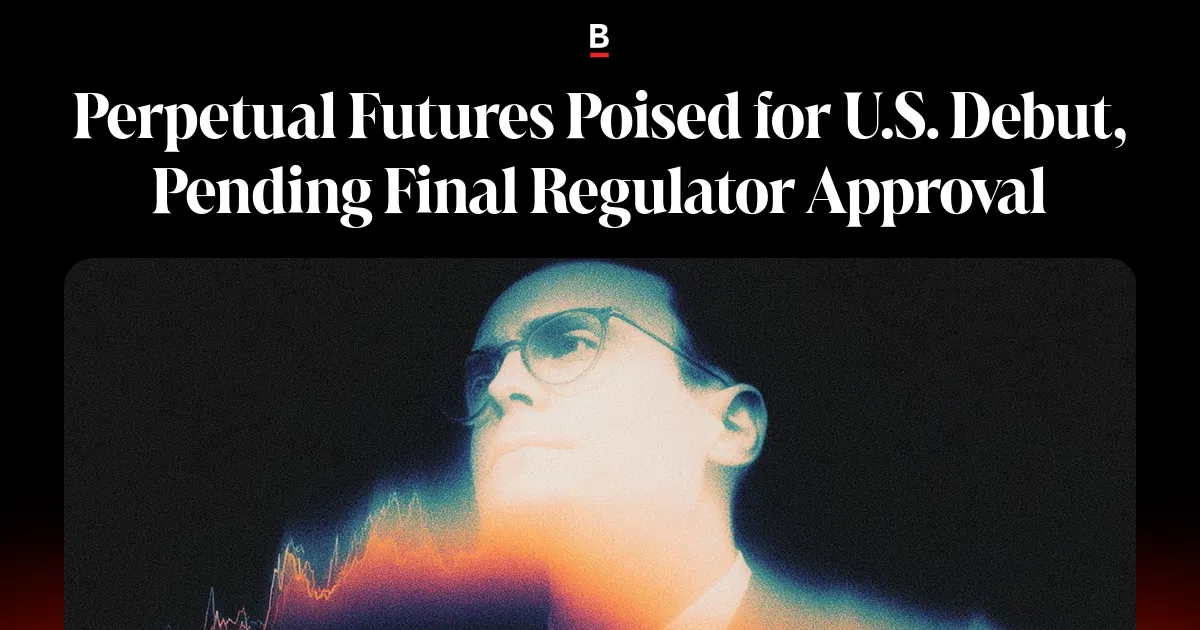
. . . NEED TO KNOW American Perps? - 💸 Perpetual Futures Poised for U.S. Debut, Pending Final Regulator Approval. The CFTC has committed to launching true perpetual futures contracts in the United States within the next month or so.
- 🔮 Aave Chan Initiative (ACI) Announces Shutdown Following Governance Rift. The eight-person ACI team will not seek renewal of its contract and will wind down operations over the next four months.
- 💰 Visa and Stripe's Bridge to Expand Stablecoin Cards to 100+ Countries. Visa and Bridge will expand their stablecoin-linked card product from 18 countries to over 100 by year-end, accepted at 175M merchant locations.
📸 Daily Market Snapshot: Trump's admission that the U.S. might be gearing up for a longer-term involvement in Iran sent markets lower across the board. | Prices as of 6pm ET | 24hr | 7d |  | Crypto $2.33T | ↘ 1.7% | ↗ 6.6% |  | BTC $68,272 | ↘ 1.5% | ↗ 6.6% |  | ETH $1,983 | ↘ 3.4% | ↗ 6.6% |
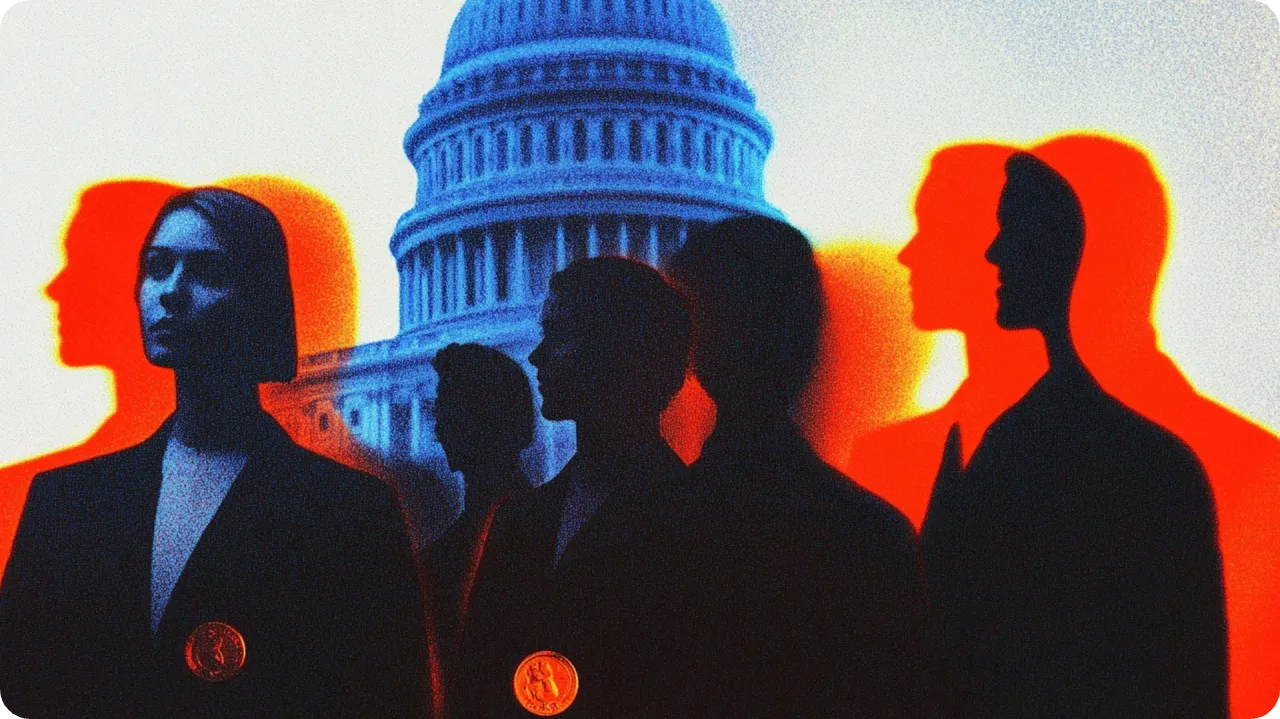
. . . ANALYSIS Mapping Crypto’s Lobbying Layer Crypto's policy infrastructure has matured considerably over the past decade. What started with a single Washington think tank has evolved into a network of trade groups, advocacy orgs, and ecosystem-specific lobbying shops. The landscape now spans generalist industry groups and specific, single-ecosystem advocates, each carving out different roles in the push for regulatory clarity. The February 2026 launch of the Hyperliquid Policy Center marks the latest entry, following the Solana Policy Institute's debut last year. Let's take a deeper look into who's who in Washington's crypto policy power center. Coin Center (2014)The original crypto policy think tank. Coin Center has spent over a decade in Washington advocating for open blockchain networks and user rights, and it remains the most ideologically libertarian voice in the space. Where other groups focus on industry interests, Coin Center has sought to be the voice prioritizing individual users – their right to self-custody, their privacy, and their ability to actually use crypto without drowning in tax paperwork. Their 2026 priorities reflect these goals. They're pushing the Keep Your Coins Act, which would prohibit the federal government from banning self-custody. They're backing the Blockchain Regulatory Certainty Act (BRCA), which codifies that developers who don't custody user funds shouldn't face money transmission charges. And they've released a detailed tax reform proposal calling for a de minimis exemption – a $600 threshold below which small transactions aren't taxed – along with simplified cost basis reporting, and treating staking rewards as taxable only at sale rather than receipt. Alongside developer protections, that last point is a shared priority across most policy groups. The IRS currently treats newly created tokens from staking as immediate income, which creates compliance nightmares for validators who owe taxes on rewards before they've sold anything. Coin Center wants staking rewards treated like other created property: taxed when sold, not when earned. Blockchain Association (2018)The largest crypto trade association, representing over 100 member companies including exchanges, miners, DeFi protocols, and infrastructure providers. Where Coin Center advocates from principle, BA operates as a coalition – coordinating member interests and translating them into legislative priorities. BA's current focus spans tax parity, market structure legislation, and DeFi protections. Most recently, they’ve released formal tax principles also calling for de minimis exemptions, stablecoin treatment as cash equivalents, and perpetuals onshoring, a key issue of the Hyperliquid Policy Center which we’ll touch on later. They're also a supporter of the BRCA and broader developer protections. DeFi Education Fund (2021)Originally funded by a Uniswap governance grant, DEF focuses specifically on decentralized finance. Their work rests on three pillars: protecting software developers, empowering DeFi users, and championing permissionless blockchains through accurate definitions and classifications. On the developer side, DEF advocates for shielding builders from liability when third parties misuse their tools, a particularly hot-button issue given the recent enforcement actions against developers. They want developers classified appropriately, not shoehorned into regulatory categories designed for custodial intermediaries. Like Coin Center and BA, they back the BRCA. On the user side, DEF pushes for self-custody rights, privacy protections, and consumer safeguards that minimize reliance on trusted third parties. They also emphasize financial inclusion – the idea that permissionless networks let users access financial services without gatekeepers who can deny access for arbitrary reasons. Their tools differ from BA's coalition-building approach. DEF files amicus briefs – legal filings supporting one side in court cases – submits regulatory comments, publishes explainers, and runs the widely-read DeFi Debrief newsletter. They've been particularly active on the BRCA, publishing myth-vs-fact breakdowns and pressing legislators to include it in broader market structure packages. Solana Policy Institute (2025)The SPI’s launch spearheaded the ecosystem-specific policy shop. Founded by Miller Whitehouse-Levine (former DEF CEO) and Kristin Smith (former BA CEO), it advocates for “decentralized networks like Solana,” while sharing industry priorities around developer protections and staking tax reform with the other, more general organizations like Coin Center and the BA. How the Solana focus emerges comes through initiatives like Project Open, a proposed pilot program for tokenized securities that would let issuers register equity as digital tokens on public blockchains, with instant settlement and transparent ownership records. It's a goal consistent with the "internet capital markets" framing the ecosystem has pushed, working to position Solana as infrastructure for expanding traditional capital markets. Another initiative that deserves being called out is their backing of the Equal Opportunity for All Investors Act, which passed the House in July 2025. The bill would expand accredited investor definitions to include knowledge-based qualifications, not just wealth thresholds. SPI notes that 87% of Americans are currently excluded from private market investments under existing rules. Hyperliquid Policy Center (2026)Finally, we have the newest and most narrowly focused entrant (not a bad thing). Launched with $29M in funding from the Hyper Foundation, the HPC was spawned under one singular mandate: bring perpetual futures onshore in the United States. Led by Jake Chervinsky, former Chief Policy Officer at the Blockchain Association, HPC targets the specific regulatory gap around decentralized derivatives, Hyperliquid’s core product and one of the fastest-growing verticals in crypto. The organization’s goal is educating policymakers on the workings of non-custodial trading protocols and pushing for frameworks that don't require intermediary custody. The timing is strategic. The Clarity Act stalled in the Senate, and HPC sees a window to shape how regulators think about DeFi derivatives specifically. Their pitch: perpetual futures are migrating to offshore venues and decentralized protocols regardless. The U.S. can either create a framework to compete or cede the market entirely. How big is the market you may ask? Well, perpetuals did $92.7T in volume last year, according to CoinGecko (that's T as in Trillion). Despite their different structures and scopes, these five organizations converge on several core priorities. Developer protections (rightfully) rank highest, with nearly all backing the BRCA, which would codify that builders who don't custody user funds aren't money transmitters. Staking tax reform is another shared mission, with Coin Center, BA, and SPI all pushing to tax block rewards at sale rather than receipt. Self-custody rights and de minimis exemptions round out the common ground. Where they diverge reflects their mandates. Coin Center stays ideologically focused on privacy and user rights. BA coordinates industry-wide priorities across its 100+ members. DEF drills into DeFi-specific regulatory nuance and litigation support. The ecosystem-specific groups – SPI and HPC – represent something newer. While they share goals with the others, these organizations’ agendas align more tightly with their networks' strategic interests. Solana's policy shop pushes tokenized securities and expanded investor access, consistent with the chain's capital markets positioning. Hyperliquid's policy shop focuses exclusively on perpetuals, the protocol's flagship product. Together, they articulate the industry's foundational values while also allowing room for specific work to be done on advancing key issues. FRIEND & SPONSOR: MERCURYO If you're building in crypto, your users need a way in — and a way out. Mercuryo's on- and off-ramp infrastructure is trusted by leading wallets and platforms to move money fiat to crypto and back in seconds. White-label ready, globally licensed, and built for scale. | 











No comments:
Post a Comment